“It is vital to protect Indigenous knowledge, not only for the sake of Indigenous peoples in their own environments, but also to raise general awareness of the vitality of Indigenous knowledge and its dynamic capacity to help solve contemporary problems.” — Leanne Matthes.
This week in class we did two different great activities that were a huge AHA moment for me. It was a perfect example of a meaningful way to integrate Indigenous knowledge, language, and teachings into a Science class.
Plant Name Card Game
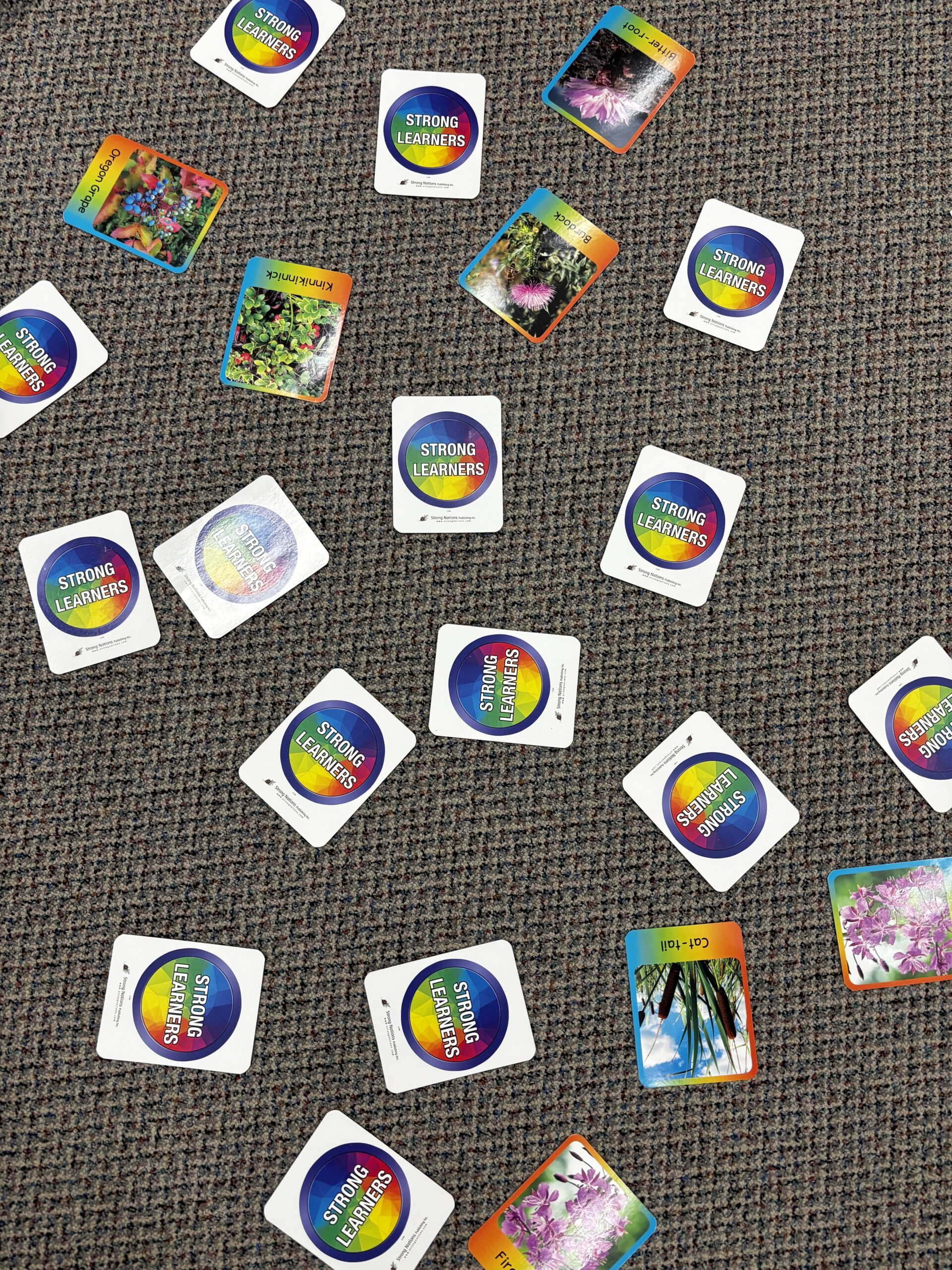
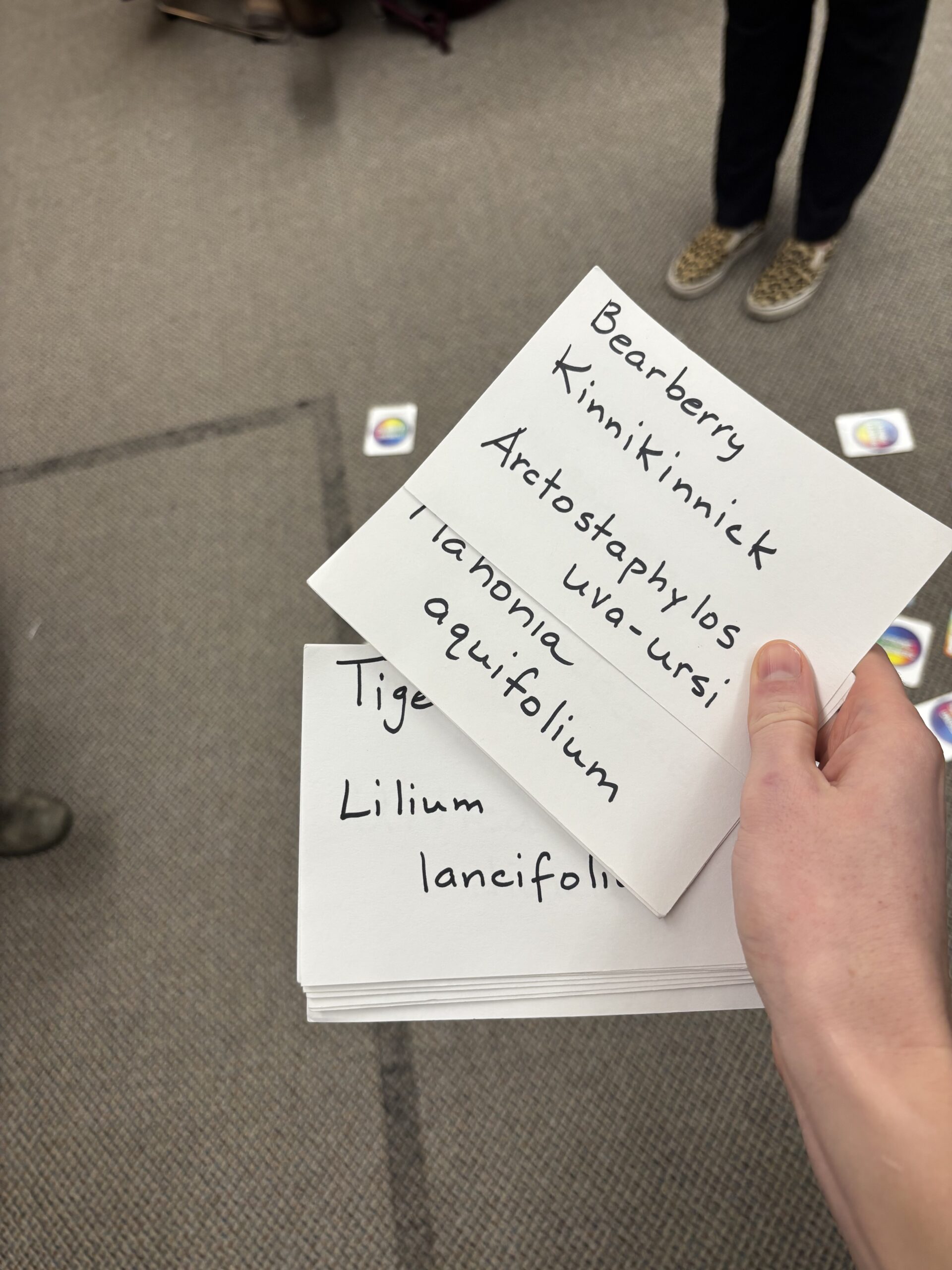
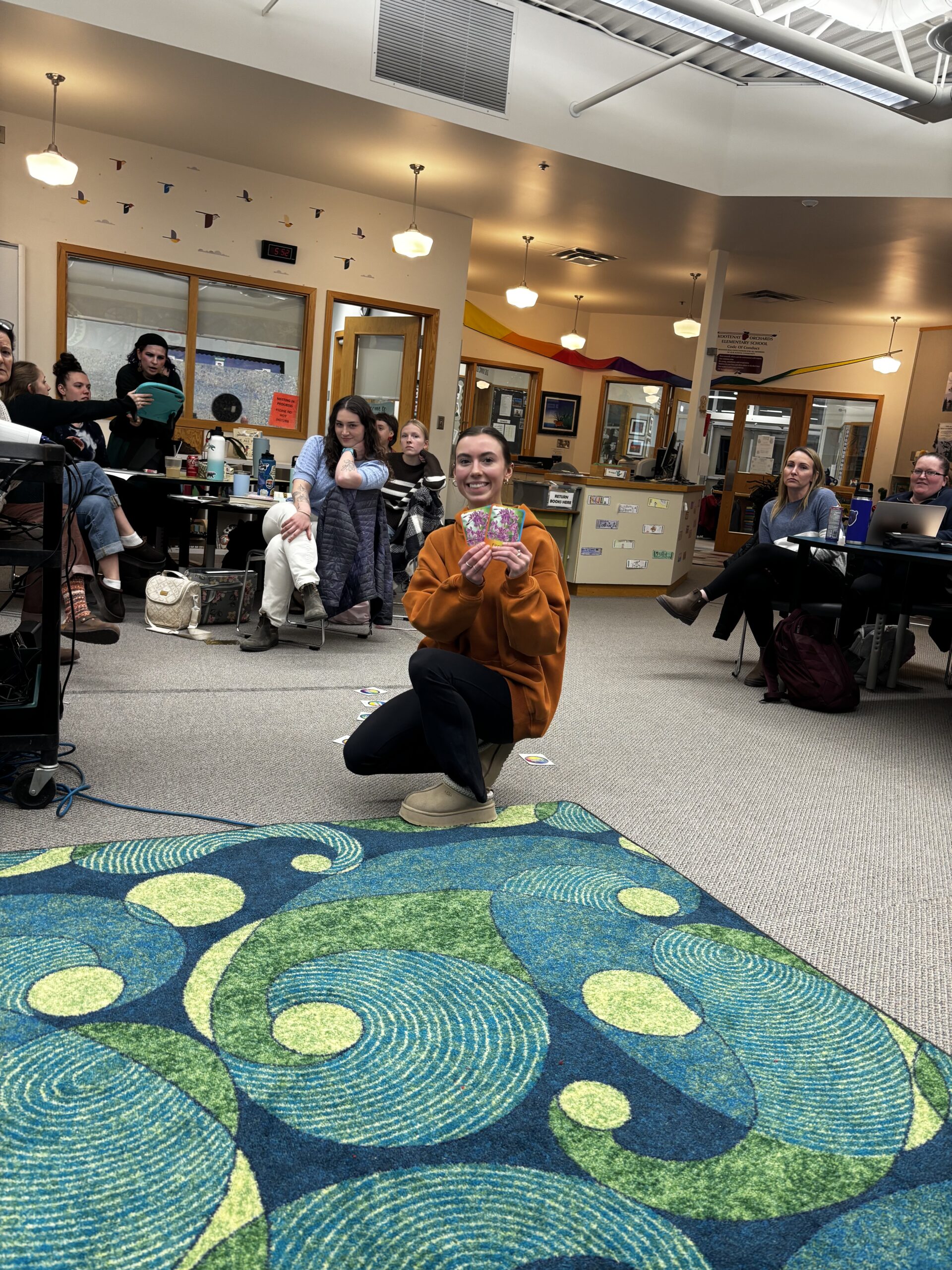
We started by doing an activity using the Strong Learner Plant Cards by Strong Nations (available here). We played a matching memory game, and then when you got a pair you got the handwritten card that included the Ktunaxa name for the plant, as well as the scientific name. This could be extending by looking into the plants purpose.
Plant Discovery
We then got out create juices flowing by creating our own plant! We used roots, driftwood, and other materials to design and create our own plant that we “discovered” for the first time. We also created a scientific name for it, a story of how we found it, and how it will make a positive impact on society. This could also be a cross-curricular activity by writing our stories! This activity could be extended by using First Voices to learn a Ktunaxa word related to the plant that you created.
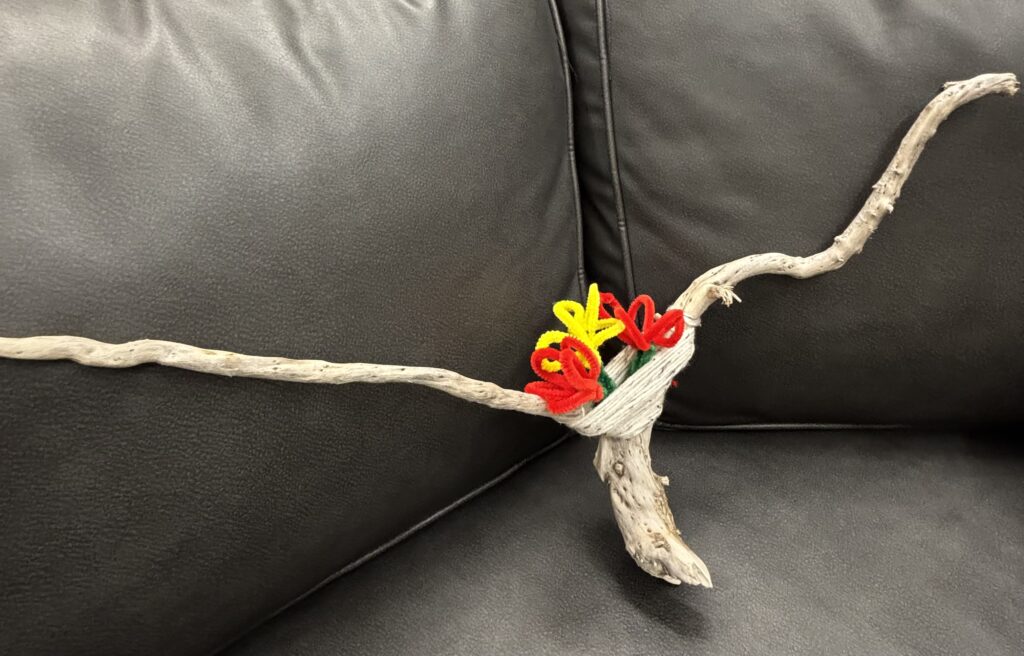
The plant that I created – “Cura Plantis”
Reflection
I chose to include these activities in my journal because I want to incorporate them into my class one day! These two simple activities are a great way to meaningfully Indigenize a science lesson. When I went through the K-12 school system our science classes were purely western knowledge. I believe in giving students a well rounded, holistic learning experience which integrates both western and Indigenous knowledge. This is a daunting task for me, as it is so different than what I experienced. This activity is just one way that will help me achieve my goals.