
In the Footsteps of Nanabozho: Becoming Indigenous to Place
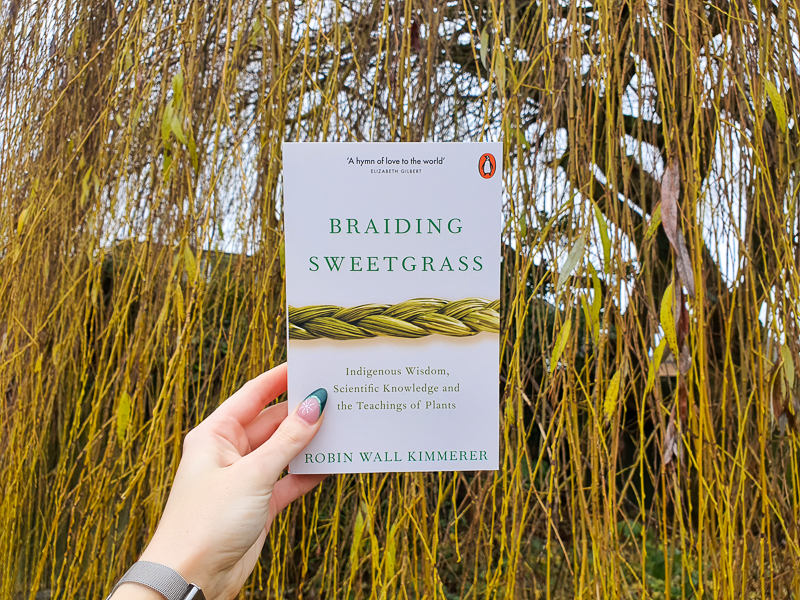
This chapter of Braiding Sweetgrass by Robin Wall Kimmerer was amazing, and sparked so much reflection. This chapter spoke of relationships and interconnectedness, something that is so important for us to all remember.
Connection
“Live as if your children’s future matters, to take care of the land as if our lives and the lives of all our relatives depend on it. Because they do” (page 215). This quote really stuck out to me, and it reminded of David Sobel’s article ‘Beyond Ecophobia‘. As teachers, and humans, it is critical that we first develop a relationship with the land (and students) before we can try to save it. We must instil a love and appreciation of nature so that our actions to help after that are meaningful.
AHA
“All powers have two sides, the power to create and the power to destroy. We must recognize them both, but invest our gifts on the side of creation”, (page 212). A key takeaway from this chapter was reciprocal versus extractive relationships. Education itself can be extractive, so as future educators it is important that we model reciprocal relationships. Use gratitude circles, acknowledge where content and resources come from, foster of a love of nature in the land, and don’t just teach Indigenous content, but give back as you do.